
The New Landscape of Construction in 2026
The construction sector in Mexico and the United States is undergoing a profound transformation. As healthcare systems, industrial operators, and commercial developers face rising costs, staffing shortages, and shifting user needs, the demand for efficient, flexible, and technologically integrated infrastructure has never been higher. Recent industry surveys show that organizations are prioritizing renovations, outpatient facilities, and projects that expand access to care, even amid financial pressures.

For companies like Factor International, these trends represent an opportunity to lead with innovation, sustainability, and cross-border expertise.
Key Construction Trends Driving Demand in 2026
1. Renovation Over New Construction
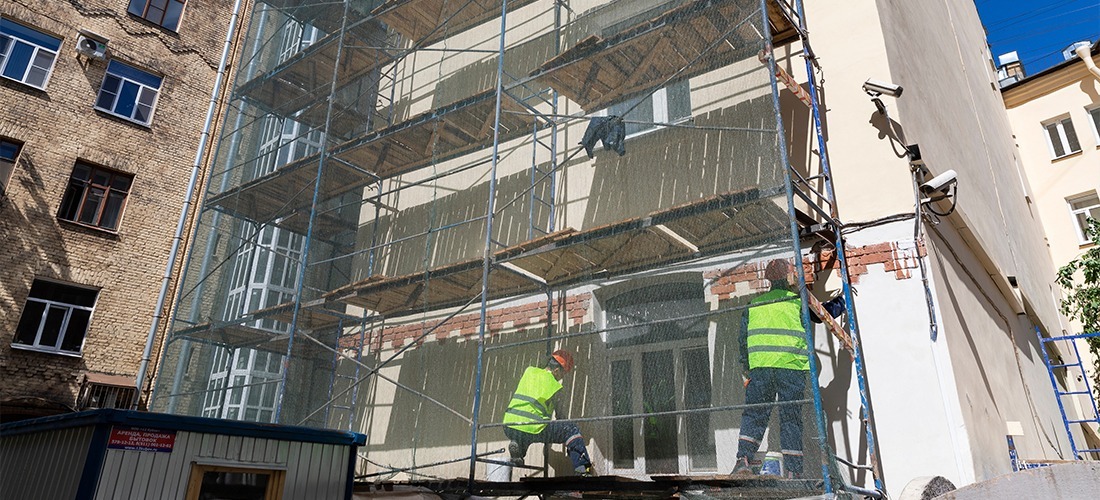
Healthcare organizations are increasingly choosing targeted renovations instead of large-scale builds. In 2025, renovations accounted for the majority of healthcare construction activity, with 65% of completed projects falling into this category. This shift is driven by the need to modernize aging infrastructure while managing limited budgets.
2. Outpatient and Ambulatory Expansion
Outpatient hubs, freestanding emergency departments, and ambulatory surgery centers are among the fastest-growing project types. These facilities offer faster deployment, lower costs, and improved access to care—key priorities for both U.S. and Mexican healthcare systems.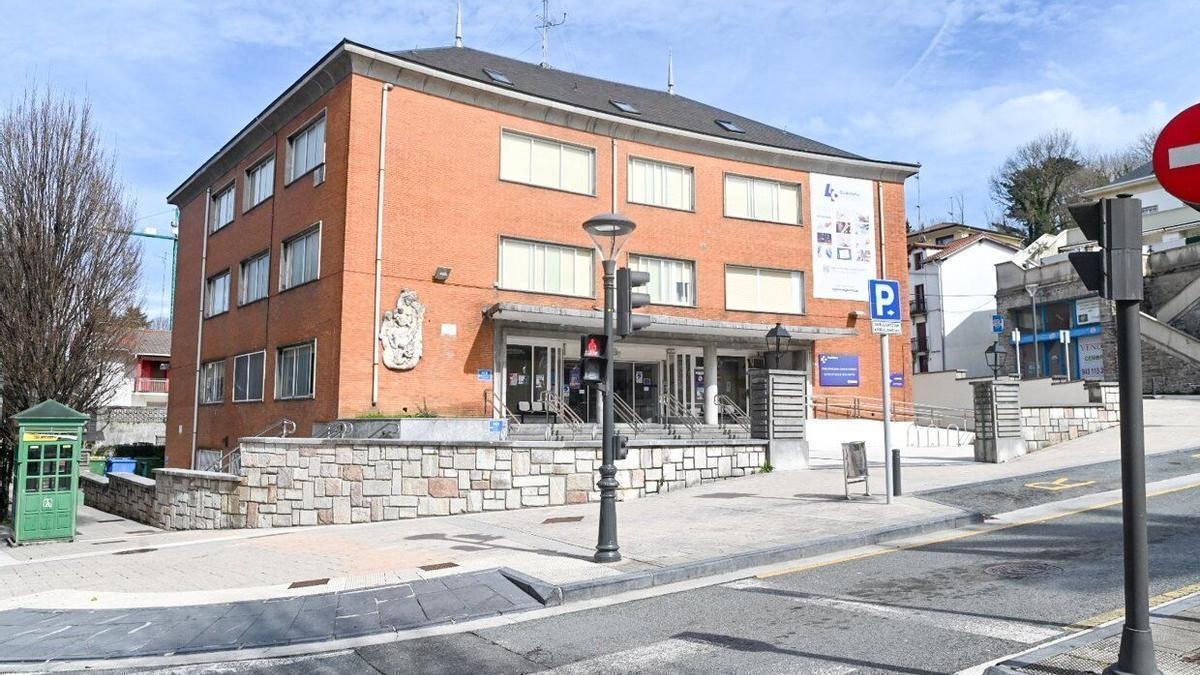
3. Technology Integration and Smart Infrastructure
Hospitals and industrial facilities are adopting advanced automation, security systems, and AI-driven planning tools. However, many organizations struggle with fragmented decision-making, often relying solely on IT teams without involving clinical or facilities staff. This gap highlights the need for construction partners capable of guiding multi-stakeholder technology integration from the earliest phases.

4. Smaller, High-Impact Projects
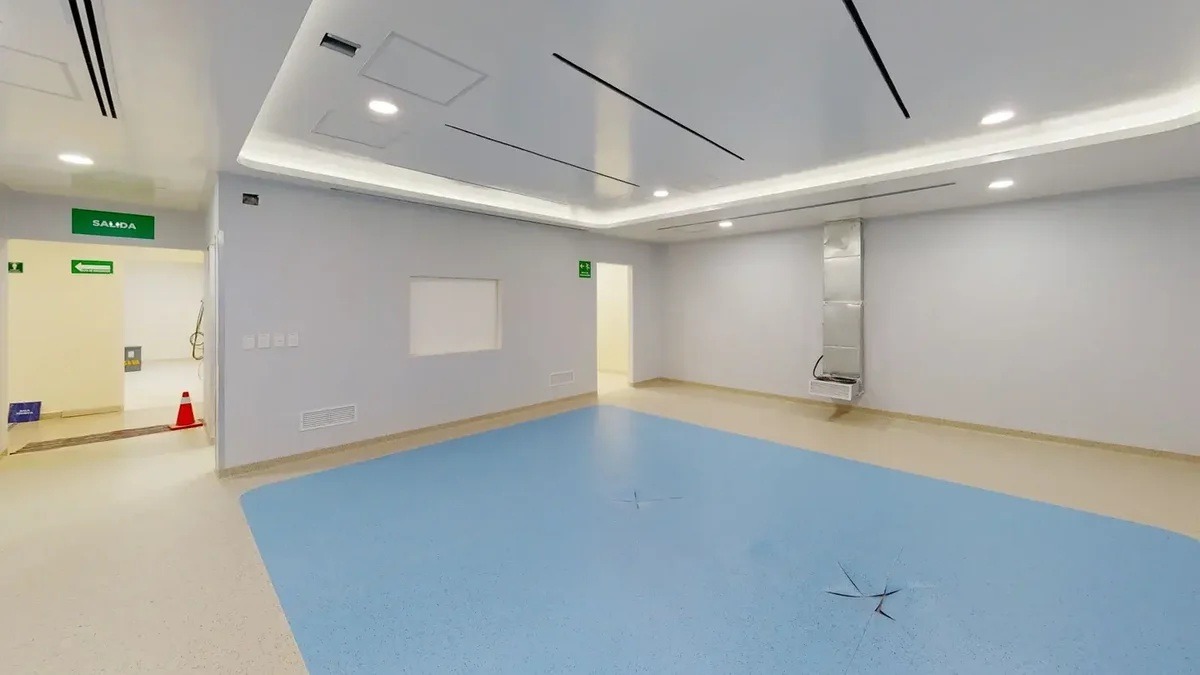
The average project size is decreasing, with 70% of recent healthcare builds ranging between 5,000 and 19,999 square feet. These smaller, strategic investments allow organizations to expand capacity while navigating funding constraints.
5. Behavioral Health, Cancer Centers, and Specialty Units
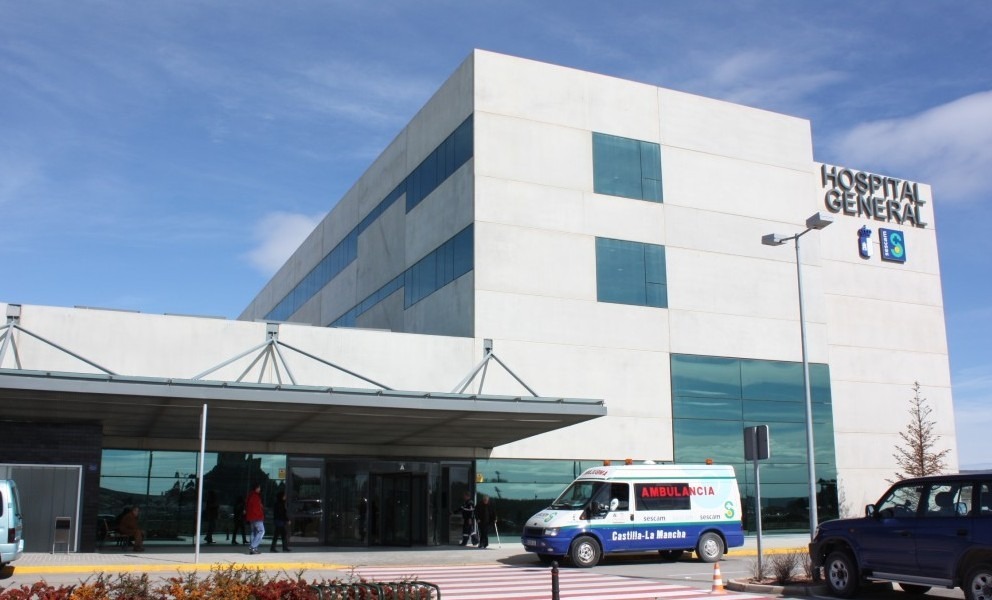
Across the U.S., new projects include behavioral health expansions, imaging suite renovations, sterile processing upgrades, and ambulatory surgery centers—reflecting a growing emphasis on specialized care.
How Factor International Leads in This Evolving Market
Factor International is uniquely positioned to meet these emerging demands through:
- Cross-border expertise in Mexico and the United States
- Specialization in hospital, clinical, and laboratory construction
- Commitment to sustainability and efficient resource use
- Experience in industrial and commercial infrastructure
- Integration of innovative technologies and flexible design strategies
By combining experience, innovation, and a deep understanding of critical infrastructure, Factor International delivers projects that not only meet today’s needs but anticipate tomorrow’s challenges.
Why These Trends Matter for Clients
Organizations seeking to expand or modernize their facilities must navigate a landscape defined by:
- Rising material and labor costs
- Increasing demand for outpatient and community-based care
- The need for adaptable, technology-ready spaces
- Pressure to improve access to care and population health
Factor International’s approach—rooted in strategic planning, technical excellence, and sustainable design—ensures that every project delivers long-term value.
Leave Your Comment Here