
.png)
Critical infrastructure refers to the essential systems, facilities, and structures that support the functioning, security, and stability of a society. These assets enable healthcare, industry, transportation, energy, communication, and public safety to operate without interruption. For Factor International, understanding and anticipating the unique demands of critical infrastructure is central to designing and building projects that remain resilient, efficient, and sustainable across Mexico and the United States. Constructing hospitals, clinics, laboratories, and industrial facilities requires a strategic approach that considers not only performance and innovation but also the risks that threaten continuity and safety.

Understanding Critical Infrastructure
Critical infrastructure includes the facilities and systems whose failure would significantly impact public health, economic stability, or national security. These structures must operate continuously, withstand external pressures, and maintain functionality even under adverse conditions. Healthcare facilities, industrial plants, laboratories, and commercial centers fall within this category because they support essential services and economic activity. Their design and construction must therefore prioritize durability, redundancy, and compliance with strict regulatory standards.
Categories of Critical Infrastructure
Although definitions vary by country, critical infrastructure generally includes sectors such as healthcare, energy, water systems, transportation, telecommunications, and industrial manufacturing. In the context of Factor International’s work, the focus lies on healthcare and industrial facilities, which require specialized planning due to their operational complexity and the high consequences of failure. These buildings must support advanced equipment, maintain strict environmental controls, and remain functional during emergencies.
Common Risks Affecting Critical Infrastructure
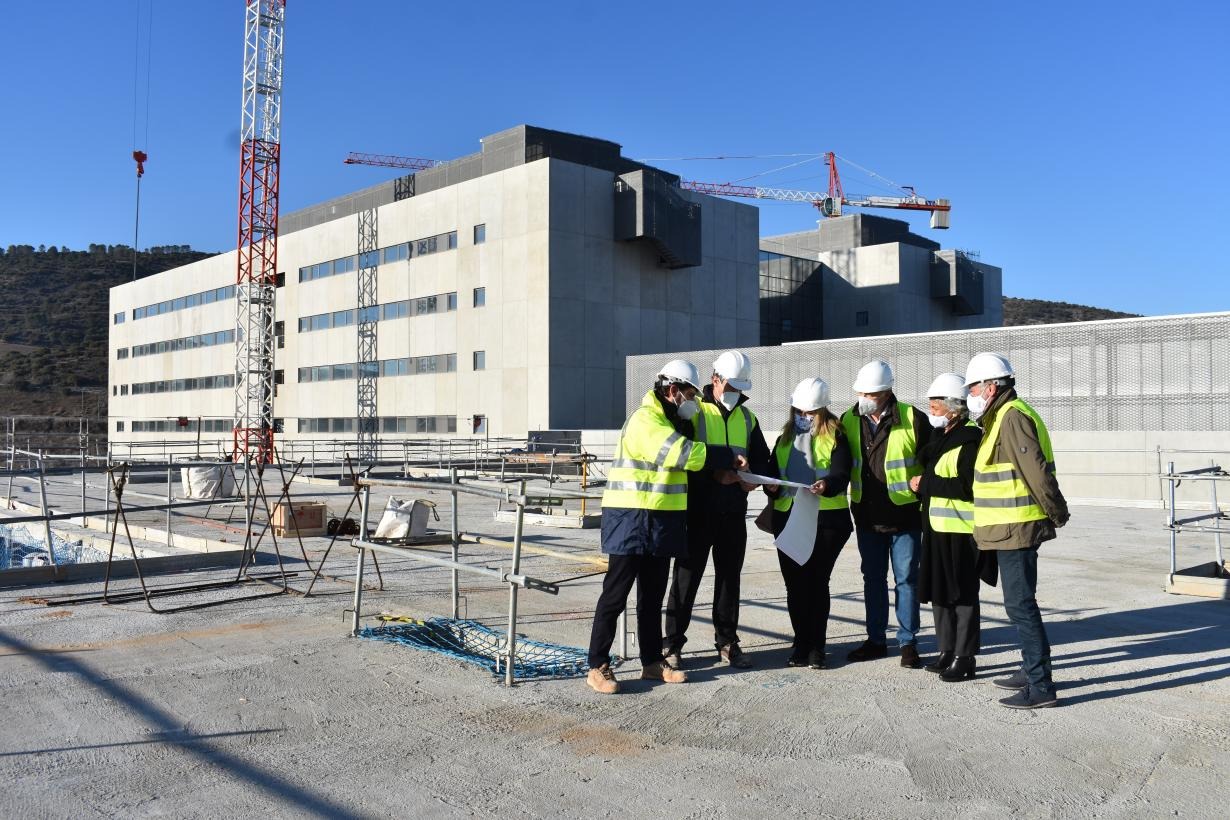
Critical infrastructure faces a wide range of risks that can disrupt operations, compromise safety, or cause significant economic losses. Understanding these risks is essential for designing structures that can withstand them. The most common threats include natural hazards, technological failures, operational disruptions, and security vulnerabilities. Each risk category requires specific mitigation strategies integrated into the construction process.
Natural and Environmental Risks

Natural hazards such as earthquakes, hurricanes, floods, and extreme temperatures pose significant threats to critical infrastructure. Facilities located in seismic zones must incorporate reinforced structural systems, while those in hurricane‑prone regions require wind‑resistant materials and secure roofing systems. Environmental risks also include long‑term challenges such as climate change, which increases the frequency and intensity of extreme weather events. Designing for environmental resilience ensures that essential services remain operational during and after natural disasters.
Technological and Mechanical Failures
Critical infrastructure relies heavily on complex mechanical, electrical, and technological systems. Failures in power supply, HVAC systems, water treatment, or digital networks can halt operations and compromise safety. Hospitals, for example, depend on uninterrupted power for life‑support equipment, diagnostic systems, and surgical environments. Industrial facilities require stable mechanical systems to maintain production. Redundancy, high‑quality materials, and preventive maintenance planning are essential to reduce the risk of system failures.
Security and Cybersecurity Threats
As infrastructure becomes more connected, cybersecurity risks grow. Unauthorized access to digital systems can disrupt operations, compromise sensitive data, or manipulate automated processes. Physical security threats, including vandalism or unauthorized entry, also pose risks. Integrating secure access controls, surveillance systems, and protected digital networks is essential for safeguarding critical facilities. Cyber‑physical resilience is now a fundamental requirement in modern infrastructure design.
Operational and Human‑Related Risks
Human error, insufficient training, and inadequate operational protocols can lead to accidents or system failures. Critical infrastructure must be designed to support safe workflows, clear signage, and intuitive layouts that reduce the likelihood of mistakes. Additionally, facilities must be prepared for operational disruptions such as supply chain delays, equipment shortages, or unexpected surges in demand. Planning for operational resilience ensures continuity even under challenging circumstances.
Key Considerations When Constructing Critical Infrastructure
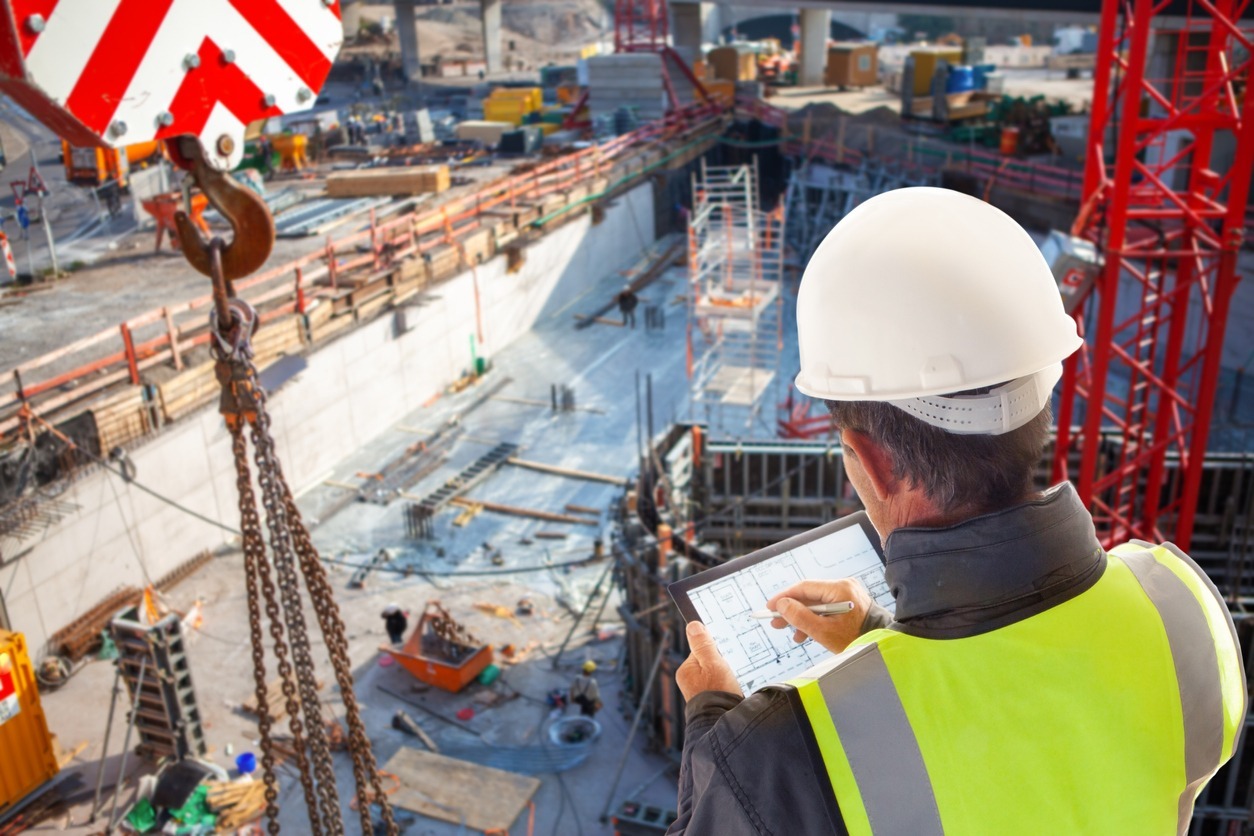
Building critical infrastructure requires a comprehensive approach that integrates risk mitigation, regulatory compliance, and long‑term performance. The construction process must anticipate potential threats and incorporate design strategies that enhance resilience, efficiency, and adaptability. For Factor International, these considerations guide every project, ensuring that each facility is built to support essential services reliably and sustainably.
Structural Resilience and Material Selection
The structural design of critical infrastructure must account for environmental and operational stresses. Reinforced materials, advanced engineering techniques, and robust foundations ensure that buildings can withstand natural hazards and heavy usage. Material selection plays a crucial role in durability, maintenance requirements, and long‑term performance. High‑quality steel, reinforced concrete, and weather‑resistant components contribute to a structure’s ability to remain functional under extreme conditions.
Redundancy and Continuity Systems
Redundancy is essential for maintaining operations during system failures. Backup generators, dual power feeds, redundant HVAC systems, and alternative communication networks ensure that critical functions continue uninterrupted. In healthcare facilities, redundancy supports life‑saving equipment and emergency operations. In industrial settings, it prevents costly downtime and production losses. Designing with redundancy in mind strengthens resilience and enhances operational reliability.
Compliance With Regulatory Standards
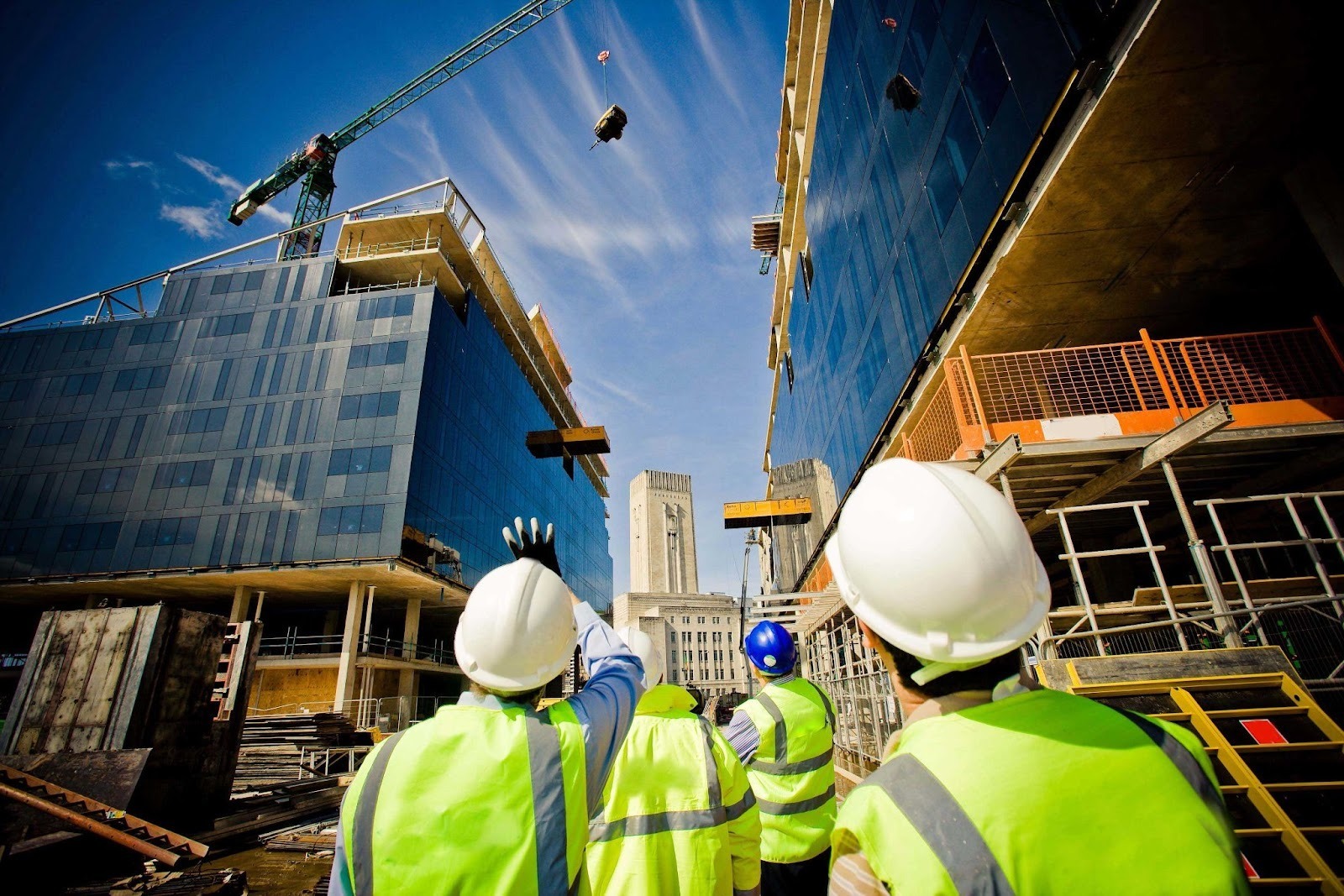
Critical infrastructure must comply with strict regulations that govern safety, environmental impact, and operational performance. These standards vary between Mexico and the United States but share common goals of protecting public health and ensuring structural integrity. Compliance requires coordination with regulatory agencies, adherence to building codes, and integration of specialized systems such as fire protection, waste management, and emergency response infrastructure. Meeting these requirements ensures legal approval and long‑term operational safety.
Integration of Technology and Smart Systems
Modern critical infrastructure increasingly incorporates digital technologies that enhance monitoring, efficiency, and predictive maintenance. Smart sensors, automated controls, and real‑time data systems allow operators to detect issues early, optimize energy use, and improve overall performance. Designing facilities with technology integration in mind ensures compatibility with future innovations and supports long‑term adaptability.
Sustainability and Environmental Responsibility
Sustainable construction practices reduce environmental impact and improve operational efficiency. Energy‑efficient systems, renewable energy integration, water conservation strategies, and sustainable materials contribute to long‑term cost savings and environmental stewardship. For Factor International
Leave Your Comment Here