

Houston’s architecture is more than a backdrop—it’s a living reflection of the city’s diversity, ambition, and evolution. As one of the most rapidly expanding urban centers in the U.S., Houston uses architecture to express its cultural richness, economic power, and civic values. From historic districts to cutting-edge skyscrapers, the city’s built environment tells a story of innovation, resilience, and community. Architecture shapes how Houstonians experience space, interact with one another, and envision their future. It influences everything from neighborhood pride to tourism appeal, and plays a critical role in urban planning, sustainability, and economic development.
🧱 A City of Contrasts: Houston’s Architectural Landscape
Houston’s architectural style is famously eclectic. Unlike cities with strict zoning or stylistic uniformity, Houston embraces a mix of modernism, postmodernism, industrial reuse, and regional vernacular. This openness has allowed architects to experiment and developers to innovate, resulting in a skyline that’s both dynamic and unpredictable. The city’s lack of zoning laws has also led to unique juxtapositions—glass towers beside bungalows, art museums beside grain silos—creating a visual narrative that reflects Houston’s entrepreneurial spirit.
🏛️ Three Architectural Icons That Define Houston
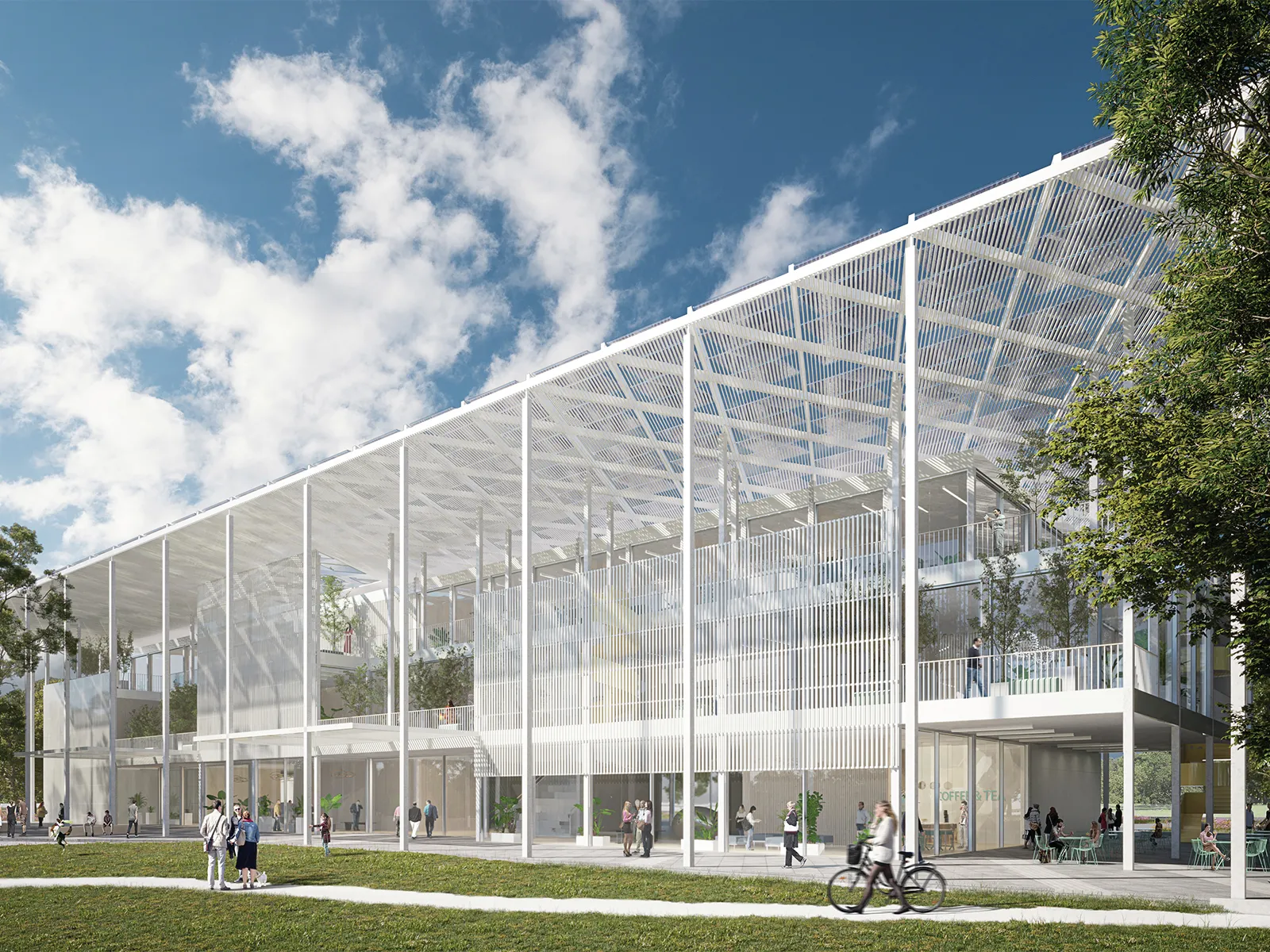
1. Houston Endowment Headquarters
Completed in 2022, this civic building near Buffalo Bayou is a model of sustainable and community-centered design. Created by Kevin Daly Architects and PRODUCTORA, it features net-zero energy performance, open-air courtyards, and flexible meeting spaces that foster collaboration across sectors. It’s not just a headquarters—it’s a symbol of Houston’s commitment to inclusive urban development.
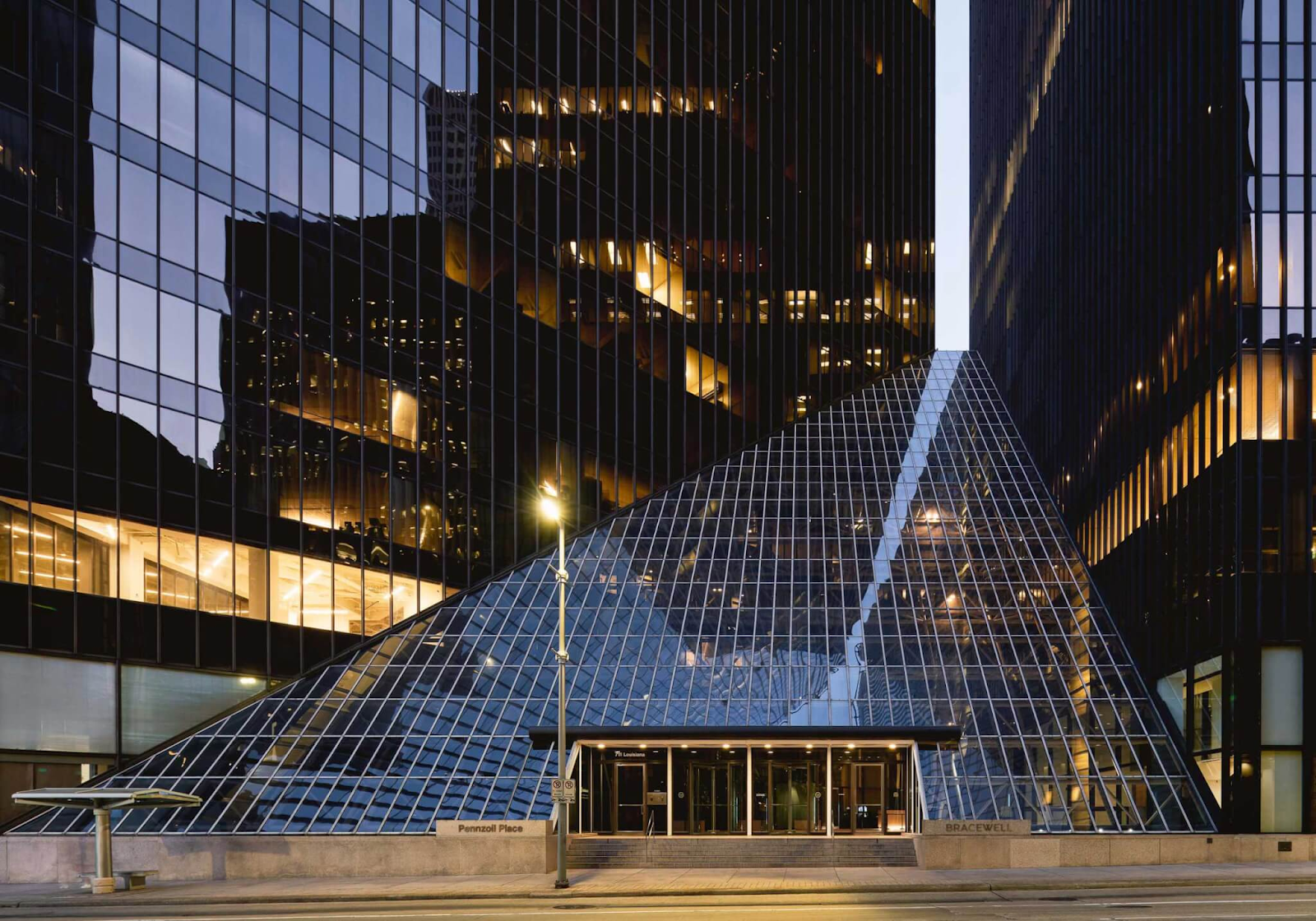
2. Pennzoil Place
A landmark of modernist architecture, Pennzoil Place was completed in 1976 and designed by Philip Johnson and John Burgee. Its twin trapezoidal towers and reflective glass façade broke with conventional skyscraper design, earning international acclaim. Located in Downtown Houston, it helped redefine the city’s skyline and remains a favorite among architecture enthusiasts.
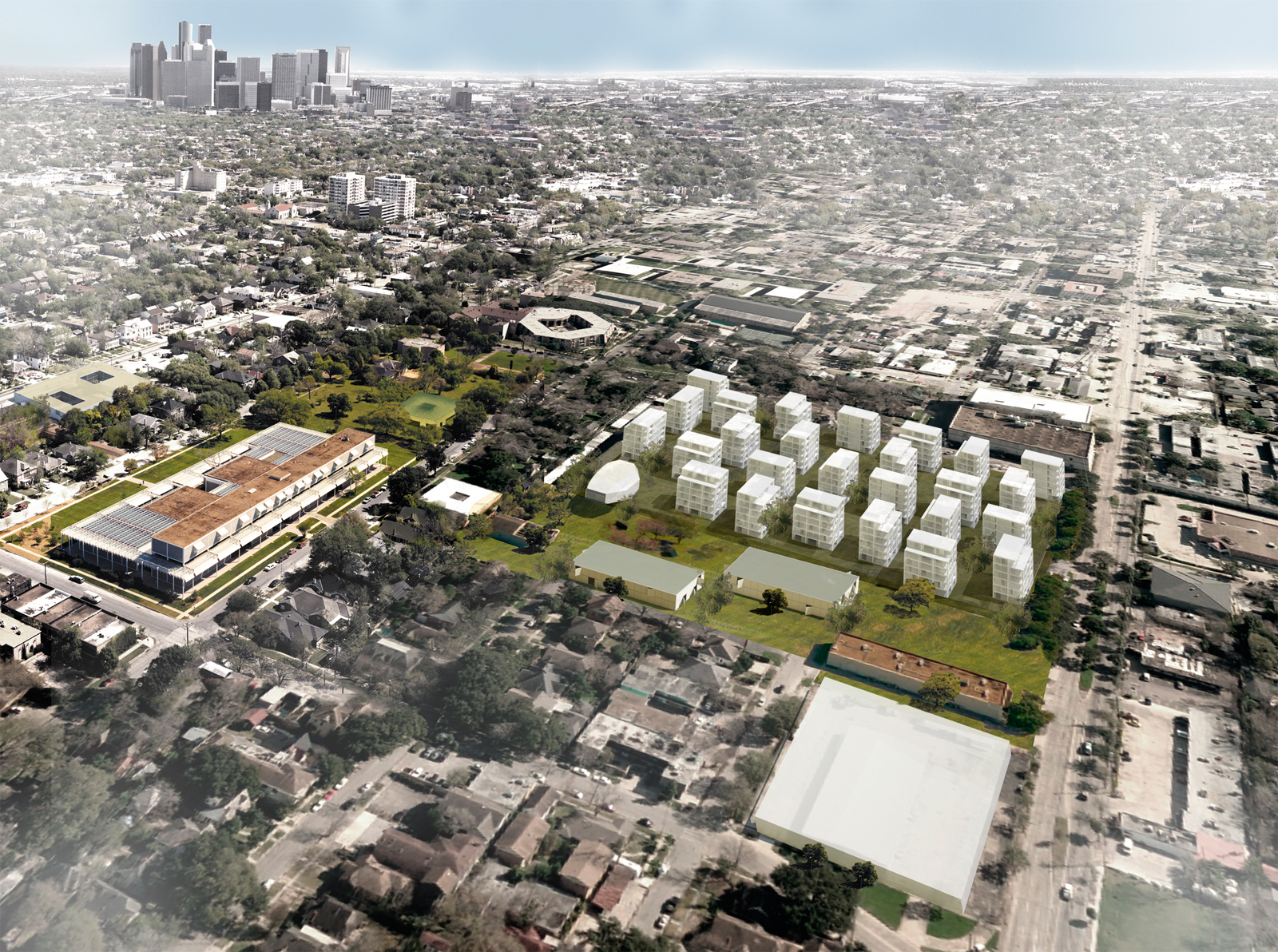
3. The Menil Collection Campus
Nestled in Montrose, the Menil Collection is a serene, low-rise museum complex designed by Renzo Piano. It’s known for its natural light, minimalist aesthetic, and integration with the surrounding neighborhood. The campus includes the Menil Drawing Institute and the Rothko Chapel, making it a cultural and architectural oasis in the heart of the city.
Building Houston’s Future Through Design
Architecture in Houston is not just about buildings—it’s about identity, equity, and imagination. As the city continues to grow, thoughtful design will be key to creating spaces that are resilient, inclusive, and inspiring. From civic landmarks to residential innovation, Houston’s architecture reflects its people: bold, diverse, and forward-thinking.
Leave Your Comment Here